
The Effect of Grooming Products on Male Fertility

Written by Melanie Brown BSc (Hons), MSc. Reviewed by Dr Phoebe Howells for OVUM

An OVUM note: 

This piece focuses on the impact of grooming products on sperm health. Throughout, Melanie refers to "men" as shorthand for anyone who produces sperm, including transgender women, non-binary people, and those using donor sperm as part of their journey. Sperm health matters across all paths to parenthood.
 What Is “Male Grooming”?

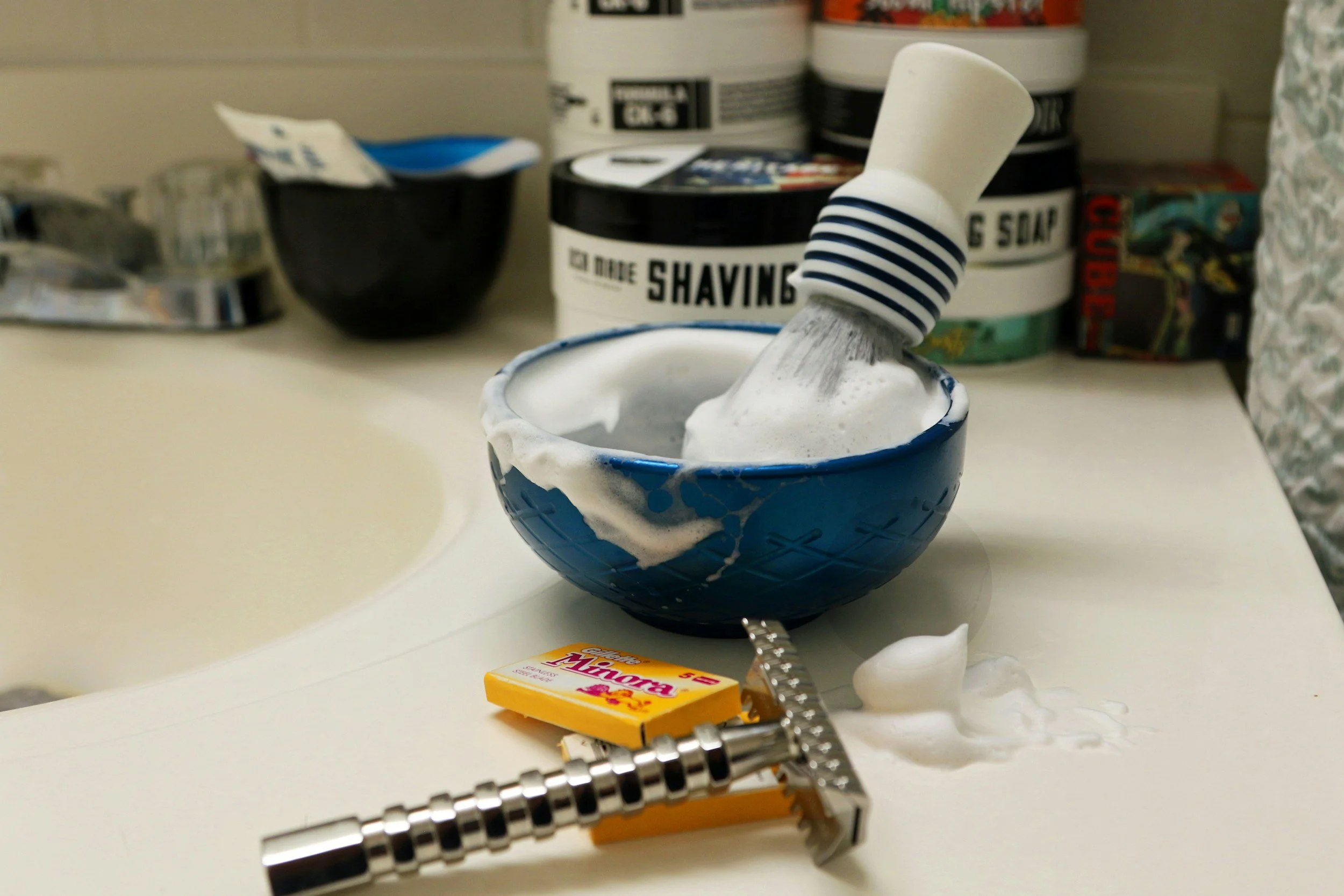
Nowadays, grooming is a routine part of daily life for many men, for example using fragranced body sprays, fake tans, aftershave and beard oils. There are even fragranced grooming products specifically designed for direct application to the testicles. But as awareness of fertility health grows, a reasonable question follows. Could these products affect sperm health, testosterone levels and ultimately, male fertility?

Can Male Fertility be Impacted By Products?

The short answer is that some ingredients found in everyday personal care products may contribute to a ‘cocktail effect’ of chemical exposure that is worth reducing, especially for men who are trying to conceive. 

Current evidence points less to a single product and more to cumulative exposure to endocrine-disrupting chemicals such as phthalates, parabens, solvents, heavy metals, preservatives, plastic compounds such as Bisphenol A (BPA), formaldehyde, pesticides and PFAS, aka ‘Forever Chemicals’. These are a large group of man-made chemicals whose structures prevent them from breaking down in the environment or the human body. Several human studies have linked exposure to these chemicals to reduced hormone signalling (meaning the chemical messages your body sends are not getting through as well as they should), lower sperm counts, poorer sperm motility and quality, and sperm DNA damage. For example, anything labelled ‘parfum’ or ‘fragrance’ can technically contain a multitude of different chemicals, including phthalates. 

The strongest concern is not that a beard oil or aftershave will directly make a man infertile, but that repeated exposure to a mix of certain endocrine-disrupting chemicals may, over time, affect male reproductive health. For example, a major review in Fertility and Sterility, drawing on multiple human studies, found strong human evidence linking phthalate exposure with negative male reproductive outcomes. This included disruption to hormonal balance and negative changes to sperm count, motility, and morphology. 

Diethyl Phthalate is a common constituent of products that contain “fragrance” or “parfum”, which can consist of any of approximately 4,000 other chemicals used by the fragrance industry to formulate scents in toiletries and grooming products. More recent reviews have reached similar conclusions; for example, a 2026 systematic review of 38 human studies found associations between phthalate exposure and reduced semen quality. However, human studies can be difficult to interpret because there are many other factors at play, so it is difficult to isolate a single factor as the ‘cause’. In other words, the risk is plausible and supported by a growing body of research, but there are many other factors as well that influence male fertility, and we cannot blame male infertility on grooming products alone. 

Should Men Trying To Conceive Change Their Grooming Routine?

For most men, awareness is key, and the sensible approach is to reduce risk. If you are trying for a baby, it makes sense to choose simpler products with fewer unnecessary chemicals and fragrances, and, where possible, swap to products that may help lower that chemical burden.

 Practical ways to lower potential risk

  • Shop for certified organic or "clean beauty" labels. When shopping for certified organic products, look for the Soil Association COSMOS symbol rather than just the word "organic" on the label. The term organic is unregulated for beauty products in the UK, meaning it can appear on packaging even when only a small fraction of the product's content qualifies. COSMOS certification guarantees no phthalates, no synthetic fragrances, and no parabens.

  • Read the labels; look out for phthalates, parfum, fragrance, parabens, and mineral oils. See The Chem Trust website also has a useful plain-English guide to the specific chemicals worth avoiding in grooming and personal care products, including parabens, PFAS and synthetic fragrances, with practical tips on how to spot them on a label. 

  • Consider downloading the Yuka app on your phone, which scans the barcodes of food, cleaning, and cosmetic products to decode and rate their ingredients based on their impact on your health and the environment.

  • Choose fragrance-free or lightly scented male grooming products where possible, and try not to layer multiple fragrance-heavy personal care products every day. Use only the amount you need, when you need it. 

  • Look for anything on this list on a product page or ingredients list: parfum, fragrance, diethyl phthalate (DEP), butylparaben, propylparaben, methylparaben, ethylparaben, formaldehyde, DMDM hydantoin, triclosan. 


Key Takeaways:

  • Male grooming is unlikely to be the single reason for fertility problems, but it may be one small and often overlooked part of a bigger exposure picture. Sperm take about 90 days to make. Changes you make now show up in a test in three months, not three weeks.

  • The most evidence-based takeaway is this: men do not need to abandon grooming, but choosing fewer, lower-chemical, lower-fragrance products is probably a good idea when you are trying to conceive. Reducing the use of fragranced products can be cheap, easy, and reasonable. Some other practical ways to reduce exposure include choosing organic, fragrance-free products. 

  • Human evidence is strongest for phthalates and pesticides. For most other endocrine disruptors, it remains limited and inconclusive. The phthalates with the strongest evidence against them, DEHP, DBP and BBP, are already banned from UK cosmetics. DEP is not, and it hides inside “parfum”. Parabens as a mixture are associated with lower sperm concentration, count and motility. The cumulative daily load is the plausible risk, not any single product.

More Than Just a Numbers Game: Why Sperm Count Isn’t the Only Metric That Matters

Written by Melanie Brown. Reviewed by Jenny Wordsworth for OVUM.

When it comes to male fertility, the most commonly cited metric is sperm count.

It’s easy to understand why - numbers are straightforward, and for decades, semen analysis reports have placed a heavy emphasis on total sperm concentration. But actually, good sperm count is only one piece of a much larger puzzle. 

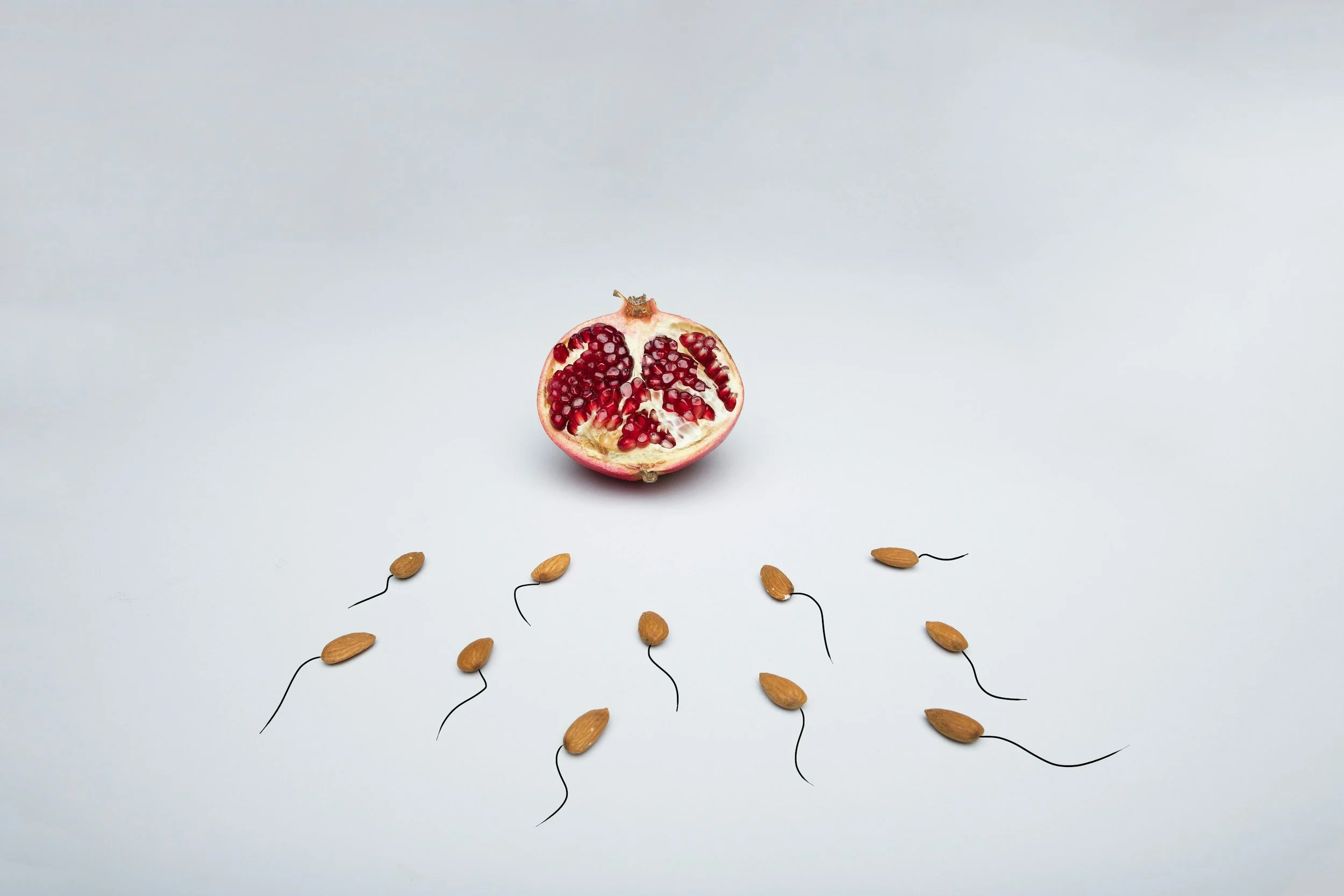
Evaluating male fertility by sperm count alone is like judging a marathon by how many swimmers show up at the starting line, without watching to see who crosses the finish line. Sperm have a tremendous job to do, swimming the equivalent of the English Channel, navigating obstacles, trying to put off the sperm behind them (yes, they are competitive!) and trying to penetrate the membrane of the oocyte (the egg). This cell is enormous compared to them, and it is extremely fussy about who it will let in. 

If you are trying to conceive, it's time to move past the myth that just having a sperm count equals fertility. Today, reproductive specialists may look at several critical factors beyond count: semen volume, sperm morphology (shape), motility (how sperm moves) and a separate test that looks at DNA integrity. These deeper measurements provide a far more accurate picture of a man's reproductive potential and are essential for diagnosing and treating infertility.

Morphology: Structure Dictates Function

Sperm morphology refers to the size and shape of sperm. The ideal sperm has an oval head and a long tail, which helps it swim efficiently and penetrate the egg’s outer layer. Abnormally shaped sperm - those with large, misshapen heads or coiled, broken tails—may have trouble reaching or fertilising the egg.

The World Health Organization (WHO) considers a morphology rate of just 4% of your sperm to be normally formed or higher, to be within the fertile range, a surprisingly low standard. It means the majority of sperm can be imperfect, but if even a small fraction are structurally sound, fertilisation is possible. Still, poor morphology, known as teratozoospermia, can significantly reduce the odds of natural conception or even hinder assisted reproductive technologies (ART) like IVF.

Motility: The Marathon of Fertility

Sperm motility refers to how well sperm moves. Healthy sperm need to swim vigorously and in a straight line, to navigate the female reproductive tract, which is designed with multiple biological obstacles in order to further filter out the less sound sperm. 

 There are two main types of motility:

  • Progressive motility: sperm move forward in a straight line or large circles.

  • Non-progressive or immotile sperm: sperm that move in one small space or not at all.

Poor motility, called asthenozoospermia, means that there may be lots of sperm present, but they just cannot reach the egg. And while techniques like intrauterine insemination (IUI) and IVF can bypass some of these obstacles, very low motility often requires advanced interventions such as intracytoplasmic sperm injection (ICSI), where a single sperm is injected directly into the egg.

DNA Integrity: The Silent Factor

Perhaps the most overlooked aspect of sperm quality is DNA fragmentation. Even if sperm look healthy and swim well, their genetic cargo (the DNA they deliver to the egg) might be damaged. This is critical because poor DNA integrity has been linked to:

  • Lower fertilisation rates

  • Higher miscarriage rates

  • Poor embryo development

  • Failed IVF or ICSI cycles

DNA fragmentation can be caused by a varicocele (a varicose vein in your testicle), oxidative stress, infections, environmental toxins, age, and lifestyle factors such as smoking, recreational drug or alcohol use or poor diet. Sometimes, there is no specific cause identified. Male obesity may also be a risk factor. Unlike sperm count or motility, DNA integrity requires specialised testing, which may be used when couples experience unexplained infertility or repeated IVF failures.

A Holistic View of Male Fertility

It’s important to recognise that sperm health is multifactorial. A man may have a high sperm count but poor motility and morphology. Conversely, someone with a lower count might have excellent motility and DNA integrity, making natural conception entirely possible.

Moreover, the great thing is that male fertility is not fixed. Diet, exercise, sleep, alcohol consumption, and exposure to heat or environmental toxins all influence sperm health. Unlike eggs, which are fixed in number and decline with age, sperm are produced continuously. This means that with targeted lifestyle changes and medical intervention, sperm quality can often be improved within three months, the time it takes for sperm to fully develop.

Why This Matters

Understanding the full picture of sperm health empowers couples to make informed decisions. It can prevent months or years of frustration and unnecessary treatment. Too often, fertility assessments focus on the female partner, while the male factor is only superficially examined. In reality, male factors contribute to infertility in 40-50% of cases.

So next time someone mentions sperm count as the key metric, remember: fertility isn’t just about how many swimmers start the race - it’s about how many finish strong, with the genetic integrity needed to create a healthy embryo.

Final Thoughts

If you’re facing fertility challenges, insist on a comprehensive semen analysis that includes as many semen and sperm parameters as possible, including morphology and motility, and an examination of your testicles. If the sperm test looks ‘OK’ but there is still doubt over the cause of your and your partner’s infertility, ask for a DNA fragmentation test as well. 

Don’t accept “your count looks fine” as the end of the story. Reproductive science has advanced, and your family planning deserves more than a headcount.

The Gut-Fertility Axis

Reviewed by Jenny Wordsworth for OVUM.

The Surprising Link Between Gut Health and Fertility

When most people think about fertility, hormones, ovulation, and reproductive health specialists typically come to mind. Did you know that your gut health might also play an important role? 

Research shows that gut health doesn’t just affect digestion. The health of your gut is also deeply connected to hormone balance, inflammation, and reproductive health as well. And it’s not specific to women’s fertility alone. There is emerging evidence that the gut-testes axis is playing a big role in all aspects of quality sperm production.

Why Gut Health Matters For Male Fertility

The gut is home to trillions of microbes, bacteria, fungi, and other tiny organisms, collectively known as the gut microbiome. When the gut microbiome is balanced, it works to help keep your body running smoothly. But when it’s out of balance (a condition called dysbiosis), it can trigger a ripple effect that can impact fertility.  

Hormones

Those bacteria that live in your gut can even affect your testosterone, the main hormonal driver of male fertility. The relationship between the two is extremely complicated, involving hypothalamus-pituitary-gonad axis modulation, male hormone metabolism, insulin regulation, the immune system and the health of the gut.

Inflammation and sperm damage

Under normal conditions, the gut microbiome maintains a healthy relationship with the testes. Disruption of the gut microbiome, either by poor diet or disease, can initiate a chain reaction of testicular damage. This starts with the breaking down of the delicate gut lining, which then allows the leaking of pathogenic bacteria and their by-products of inflammatory chemicals into the bloodstream. Ultimately this exposes the testicles (along with the rest of your body) to chronic inflammation, high levels of oxidative stress, and eventual damage to the sperm-producing cells.

Nutrient Absorption

A healthy gut helps you absorb key nutrients like folate, zinc, and vitamin D. These nutrients are vital for sperm health. A high-fibre diet, and one rich in fruit and vegetables and especially those that contain compounds called polyphenols, feed out healthy gut bacteria. Conversely a diet high in fast, fried and ultra-processed foods feed the pathogenic bacteria. 

Everyday Gut-Friendly Habits That Support Fertility

Supporting your gut may also be supportive of your fertility journey. Some simple tips to consider:

  • Eat more fibre: Fruits, vegetables, pulses and whole grains feed the “good” bacteria in your gut.

  • Incorporate fermented foods: Yoghurt, kefir, and kimchi all introduce beneficial probiotics to the gut.

  • Fruits and vegetables: Aim for between 20 to 30 different plant-based foods each week to diversify your gut microbiome, such as root vegetables and a variety of colourful fruits.

  • Eat polyphenol-rich foods: Olive oil, nuts & seeds, berries, dark chocolate, broccoli, onions, garlic, apples, spices like turmeric and cinnamon, the more colours on your plate, the better.

  • Staying hydrated: Water helps your digestive system process nutrients efficiently. 

  • Stress reduction: Stress hormones can have a negative impact on gut health and potentially on fertility. Consider incorporating yoga, meditation, or walks in nature.

  • Limit ultra-processed foods, fast fatty foods, and sugar: These can feed harmful bacteria and therefore worsen inflammation.

To Summarise

Gut health isn’t the magic solution to fertility challenges, but it is a powerful piece of the puzzle. In nurturing your microbiome, you’re not only improving digestion - you’re also creating a more balanced and nourished environment for your hormones, reproductive organs, and overall well-being.

When your gut is happy, your body is better prepared for the possibility of creating new life.